Citizens demand the EU stops stalling on a treaty to ensure that businesses respect human rights
This week saw the publication of the landmark revised draft of a UN treaty which aims to prevent human rights abuses by transnational corporations and other business enterprises, and close existing
Sexual harassment and violence against garment workers in Bangladesh
Research conducted by ActionAid has found that 80% of garment workers in Bangladesh have either seen or directly experienced sexual violence or harassment in the workplace. You can read more about
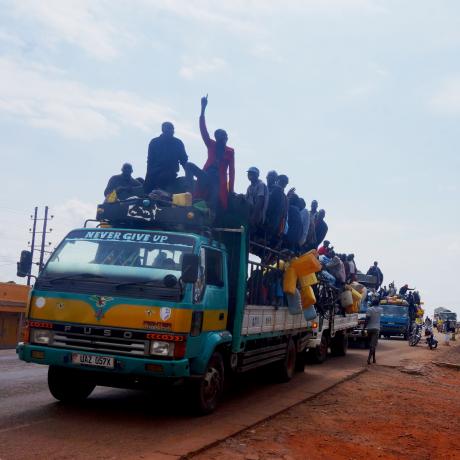
Never Give Up: the struggle for a birthright
This is the story of the Acholi people of Apaa, Uganda. They have routinely been displaced from their land and this is the story of their struggle for a land to call home.
ActionAid responds to UN report on land and climate change
On 8 August 2019 the Intergovernmental Panel on Climate Change published its landmark report on land use and climate. This is ActionAid's response.
Conservation or land grabbing? The case of Mbulia Group Ranch
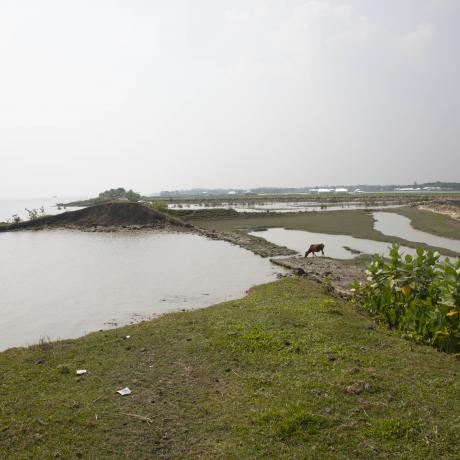
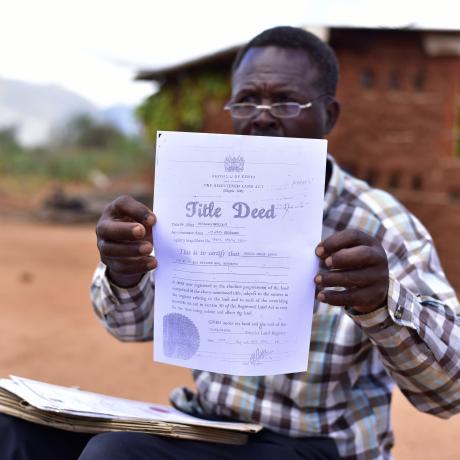
Sometimes, conservation can be used as a cover for landgrabbing. This story, of the Mbulia Group Ranch in Kenya, is an example of how this can happen.
Violence is not part of the job
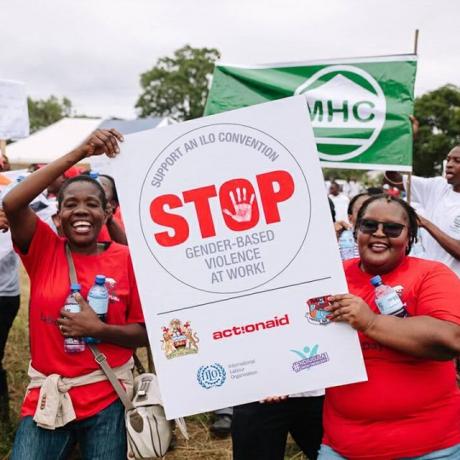
ActionAid and partners are calling on ILO member states to urgently ratify and bring into force new global legislation to end violence and harassment at work. Read our joint statement on this page.
The #42for42 fire trucks protest
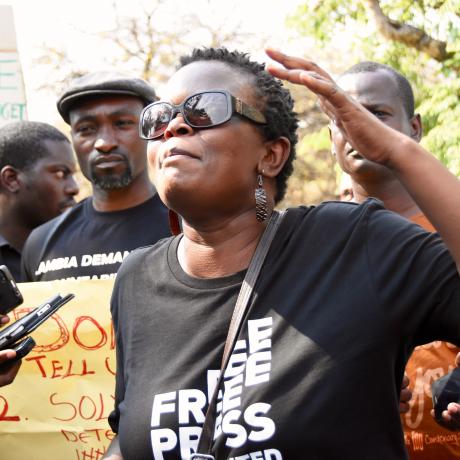
When activists in Zambia realised the country was buying 42 fire trucks for $42 million, and found they could be bought for a quarter of the price, they knew they had to act. This is their story.
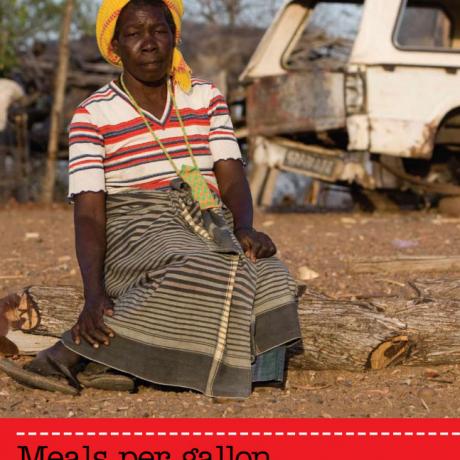
Meals per Gallon: The impact of industrial biofuels on people and global hunger
Industrial biofuels – fuels made on an industrial scale from agricultural crops – have been put forward as an answer to energy security, climate change and rural development. ActionAid believes they
Fertile Ground: How governments and donors can halve hunger by supporting small farmers
Empowering local farmers to produce more food for local markets is the bedrock of global food security. Small farmers, the majority of whom are women, are responsible for 90 per cent of the food grown