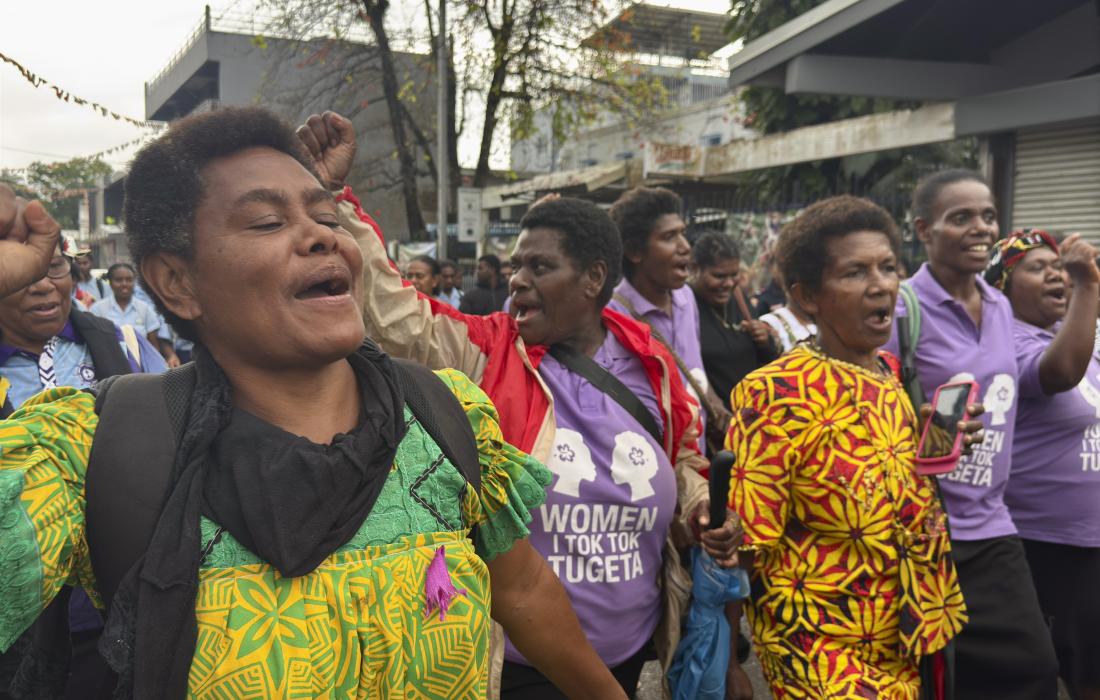
10 years of the Women I Tok Tok Tugeta network in Vanuatu
In Vanuatu, women are living on the frontline of two intersecting crises. As one of the world’s most disaster-prone countries, the Pacific island nation faces regular and intensifying climate disasters. In addition, women face deeply entrenched gender inequality in a society where traditional patriarchal norms still shape much of daily life. When disasters strike, these inequalities are intensified – limiting women’s access to safety, decision-making and support for recovery.
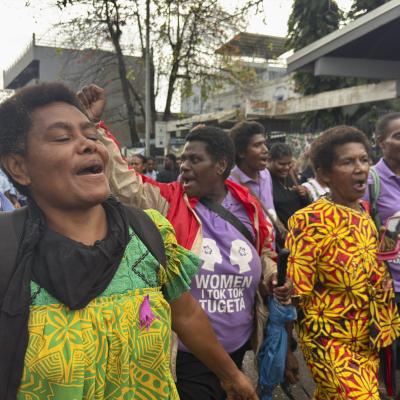
That’s why since 2015, ActionAid has been supporting local ni-Vanuatu women to establish the Women I Tok Tok Tugeta (WITTT) network – a grassroots women’s movement advancing women's rights, safety, and resilience in a country facing increasing climate and disaster impacts.
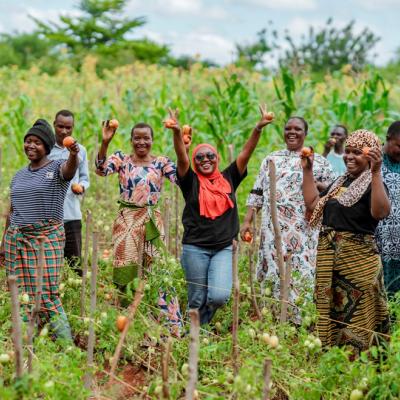
Over the past decade, WITTT has brought together diverse women from the islands of Efate, Erromango, Tanna, Malo, and Malekula to build their collective leadership, strengthen awareness of their human rights, and lead disaster preparedness and response activities – spaces from which women have traditionally been excluded. The network now has over 10,000 members, including more than 1,000 women with disabilities who make up WITTT Sunshine, the network’s disability chapter, established to address the additional discrimination faced by women with disabilities.
Through training on community-based protection, policy and advocacy, livelihood activities, and nature-based solutions to climate change, ActionAid has equipped ni-Vanuatu women who are part of WITTT with the skills and confidence to lead their communities and build resilience to crises.
A decade of this work with WITTT has been transformative for local women and their communities.
Over the past 10 years, when disasters have struck, WITTT members have used their disaster preparedness and response training to save lives and help their families and communities recover. From cyclones to earthquakes, women across the network have mobilised to ensure that the most vulnerable women – including women with disabilities, single mothers and widows – receive targeted support and have a say in the response and recovery efforts.
Through WITTT’s influence, women are also taking on significant leadership roles, which would previously have been unheard of. WITTT members who were previously excluded from decision-making are now advocates in local, national and global decision-making spaces. On the island of Erromango, two women have been invited to join the Chief’s Council – a role traditionally reserved for men – because the Chief saw the women's leadership during disasters, and recognised the value of their contribution to the community.
In Lawital village on the island of Tanna, women who previously had never held a screwdriver are now leading their community’s energy transformation, installing solar lighting in every home in the village as well as a number of community spaces. Women are trained to install and maintain the solar systems, and the impact has been seen in improvements to women’s safety, children’s education, job opportunities and quality of life.
The WITTT federation was formally launched in the capital, Port Vila, in November 2024. This was a landmark moment marking the network's transition from a supported program into a recognised, independent national body. Ten years on from its inception, WITTT is now working towards being a self-sufficient, self-governing federation. It is an enduring and flourishing Ni-Vanuatu women's movement that is playing a vital role in advancing women’s rights and resilience to crises.