Sowing Seeds of Resilience: Emma's Agroecology Journey in Kufa Village, Zimbabwe
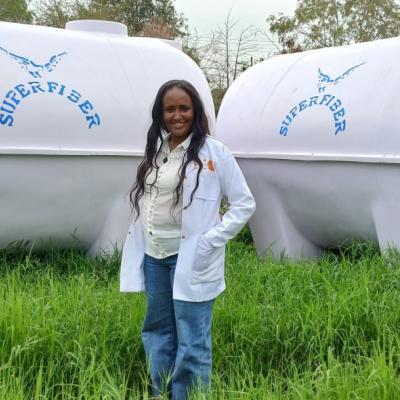
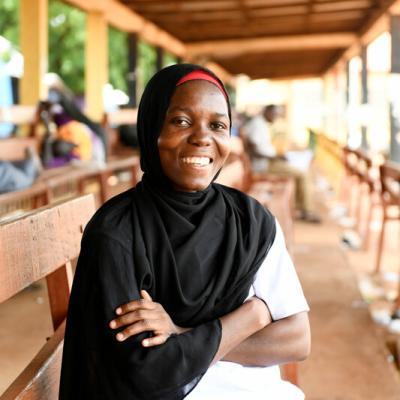
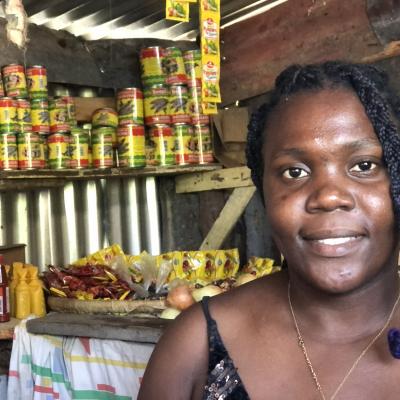
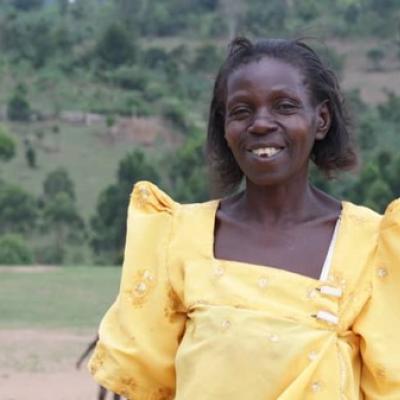
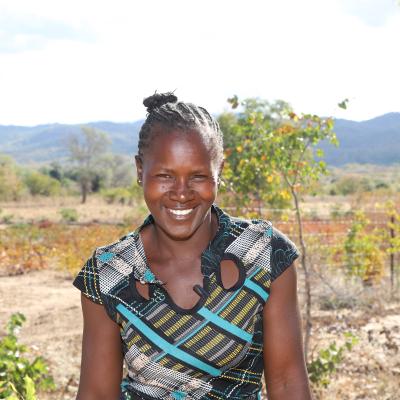
Emma’s transformation is a testament to the power of agroecology and feminist leadership. Once dependent on casual labour to feed her family, Emma is now a successful farmer and community leader, inspiring others with her journey. Her story is a shining example of how climate-resilient practices like agroecology can empower women and drive sustainable development.
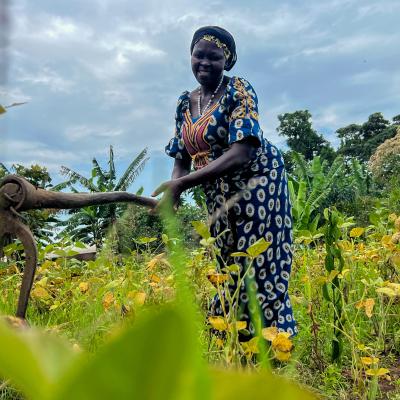
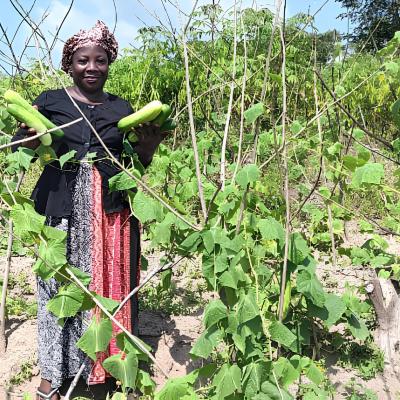
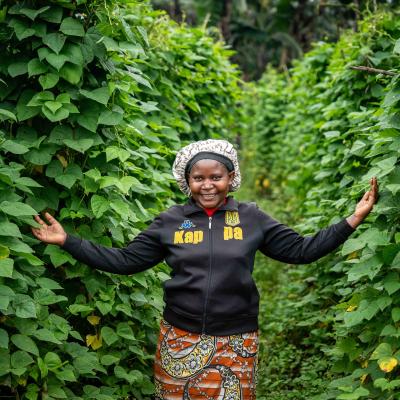
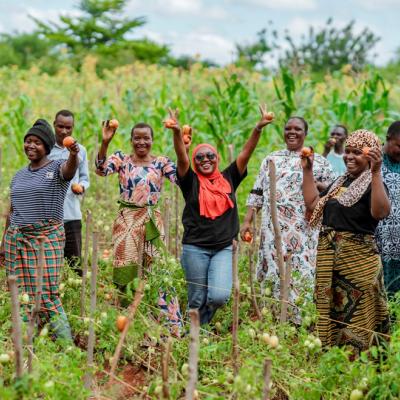
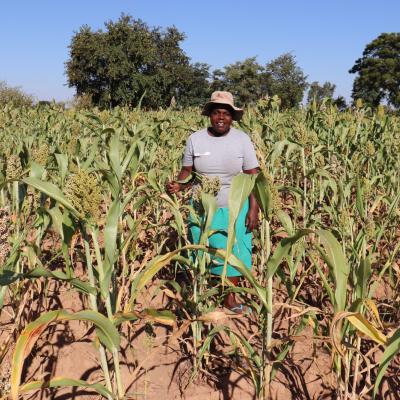
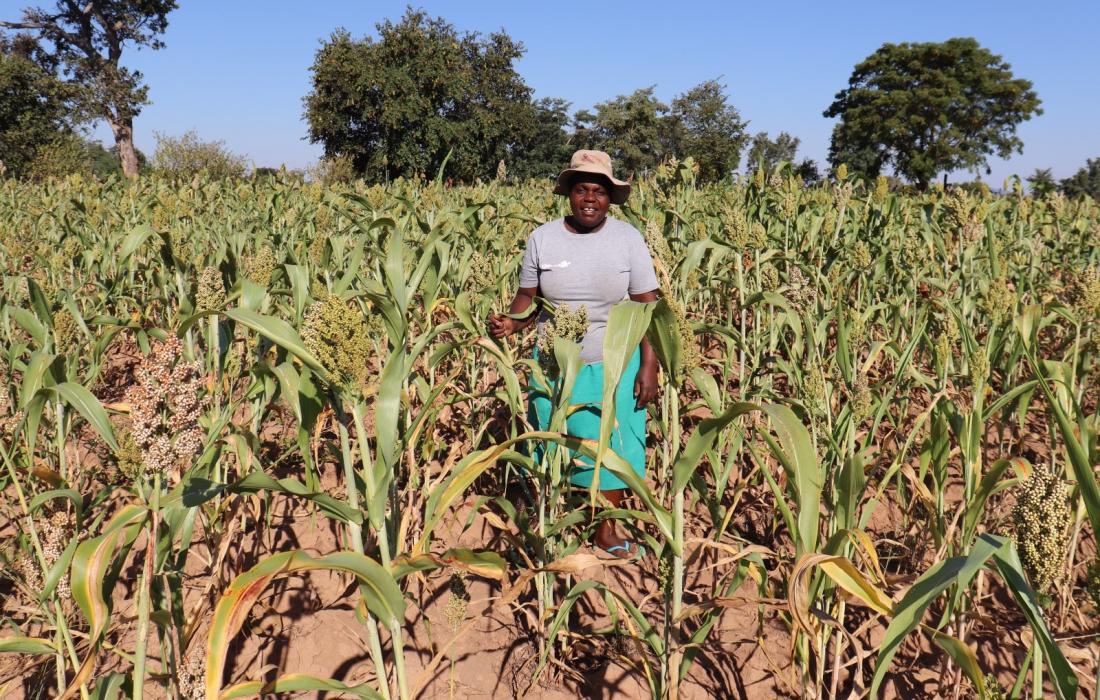
Emma has learned to cultivate diverse crops like rapoko, maize, groundnuts, and vegetables using sustainable methods; "since Action Aid Zimbabwe taught me agroecology, I have made so much progress that I need more garden space," Emma said proudly.
The agroecology programme focused on natural resource management and climate resilience techniques, crucial for sustainable farming in Zimbabwe's drought-prone regions. Emma learned how to make thermal compost, a natural fertiliser, reducing her reliance on chemical fertilisers and improving soil health;
"Making thermal compost has been a game-changer for me," Emma said. "My crops are healthier, and I'm saving money on fertilizers”. Emma's farm now generates income, ensures food security for her family and creates employment opportunities for others.
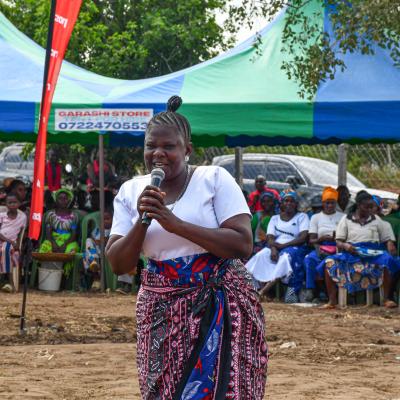
As a Rural Women's Assembly chairperson, Gender Champion, and SASA Champion, Emma promotes gender equality and combats gender-based violence; "I'm committed to helping other women in my community achieve the same success I have". Her leadership embodies the shift in power dynamics, where women are driving forces for change. So far, Emma has reached over 50 women in her community, sharing her knowledge and skills in agroecology and traditional herbal remedies. She has also mobilised a group of 20 women to start their own agroecology projects, providing them with training and support.
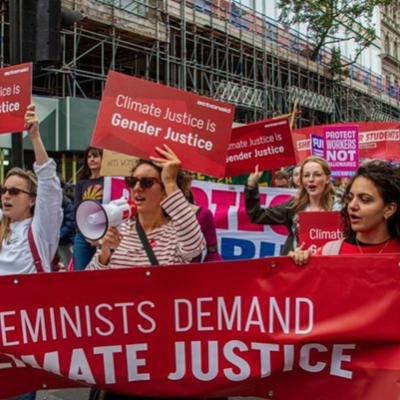
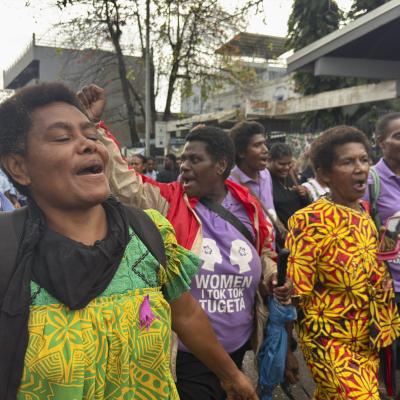
Across Zimbabwe, women like Emma are not only transforming their own livelihoods but are also strengthening movements that advocate for agroecology to be recognised as a national development and climate justice priority. With ActionAid Zimbabwe’s support, rural women’s groups, youth movements, and community-led networks are engaging in national climate and agricultural dialogues, promoting agroecology as a sustainable alternative to industrial farming systems.
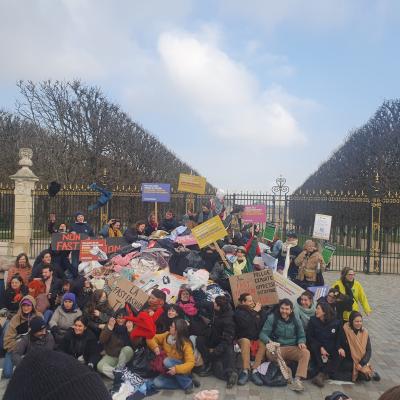
Through learning exchanges, public campaigns, and policy engagement platforms, these movements are amplifying community voices and calling for increased public investment in climate-resilient agriculture, stronger support for women farmers, and financing for locally led adaptation initiatives. Their advocacy is helping create greater space for agroecology within national climate discussions, ensuring that the knowledge and experiences of rural women inform policies, resource allocation, and long-term strategies for food security and climate resilience.
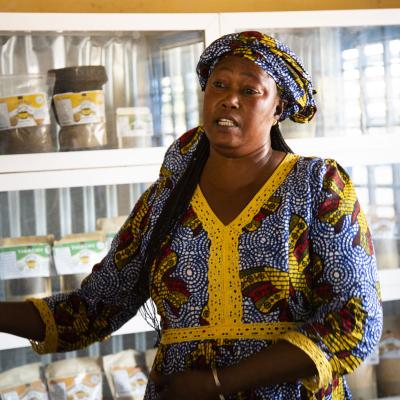
During the International Women's Day celebrations, Emma's achievements caught the attention of Honorable Minister Mutsvangwa and ActionAid Zimbabwe's Country Director, Joy Mabenge. Emma shared her story and traditional herbal remedies, inspiring others to follow suit. "I also taught other women about herbs which heal especially manhood problems, sugar treatment, and high blood pressure," Emma said, highlighting her role as a knowledge-keeper and community resource.
Emma’s journey showcases agroecology's potential to empower women, promote climate resilience, and drive sustainable development. Her story is a beacon of hope for Zimbabwe's rural communities, demonstrating that with the right support and training, women can lead the way towards a more equitable and resilient future.
As Emma looks to the future, she is clear about her goals: "I want to continue growing and sharing my knowledge with other women, so we can all thrive together." Her story is a testament to the power of feminist leadership and agroecology in transforming lives and communities. Her success has inspired other women to take up agroecology, causing a ripple effect which has led to an increase in food security and income generation in the area. Emma’s leadership has also contributed to a reduction in gender-based violence, as women are now more empowered to make decisions and assert their rights.
Overall, Emma's story is a powerful example of how agroecology can be a tool for women's empowerment, climate resilience, and sustainable development. Her journey is a testament to the impact that can be achieved when women are given the opportunity to lead and thrive.