From silence to strength: girls in Baalbek rise against digital violence
In Baalbek, a city shaped by history and strong traditions, there was a quiet struggle that many chose not to see. For young women and girls, the digital world had become a place of fear. Harassment, blackmail, and violations of privacy were common, yet rarely spoken about. The silence surrounding these experiences was heavy, reinforced by a community that often blamed the girls instead of those responsible.
For a long time, these experiences were treated as personal problems, something to hide out of shame. Families framed them as moral issues, and institutions avoided addressing them. Girls were left to carry the burden alone, feeling isolated and unsupported.
Then, something began to change.
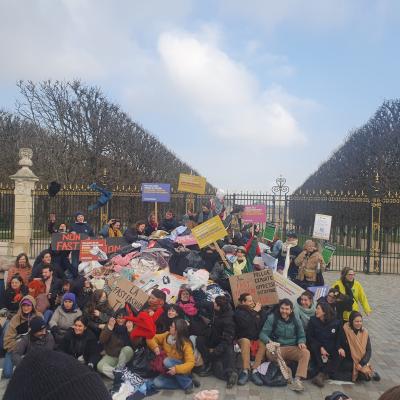
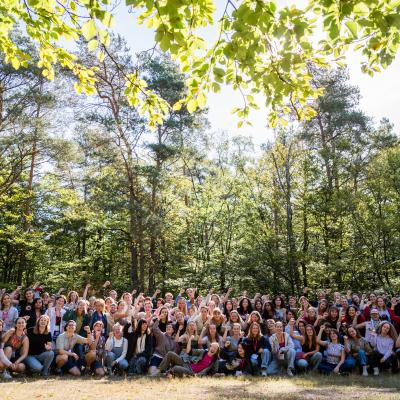
In early 2025, small groups of girls started coming together in safe, supportive spaces. These gatherings were built on trust, where each girl could speak freely without fear of judgment. For many, it was the first time they shared their stories out loud. As they listened to one another, they realised a powerful truth: they were not alone, and what they had experienced was not their fault.
With time, these conversations deepened. The girls began to understand digital violence not as a personal shame, but as a violation of their rights. They started to see themselves not as victims, but as individuals capable of creating change. Their voices, once silent, began to grow stronger together.
Instead of confronting their community in a direct or risky way, they chose a path rooted in creativity. They turned to theatre.
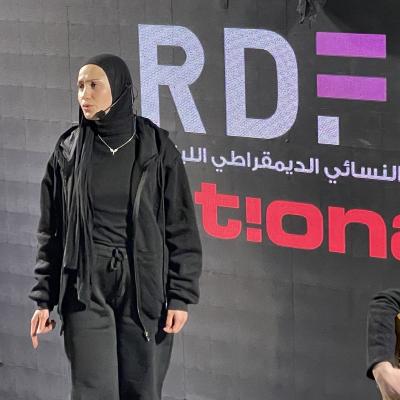
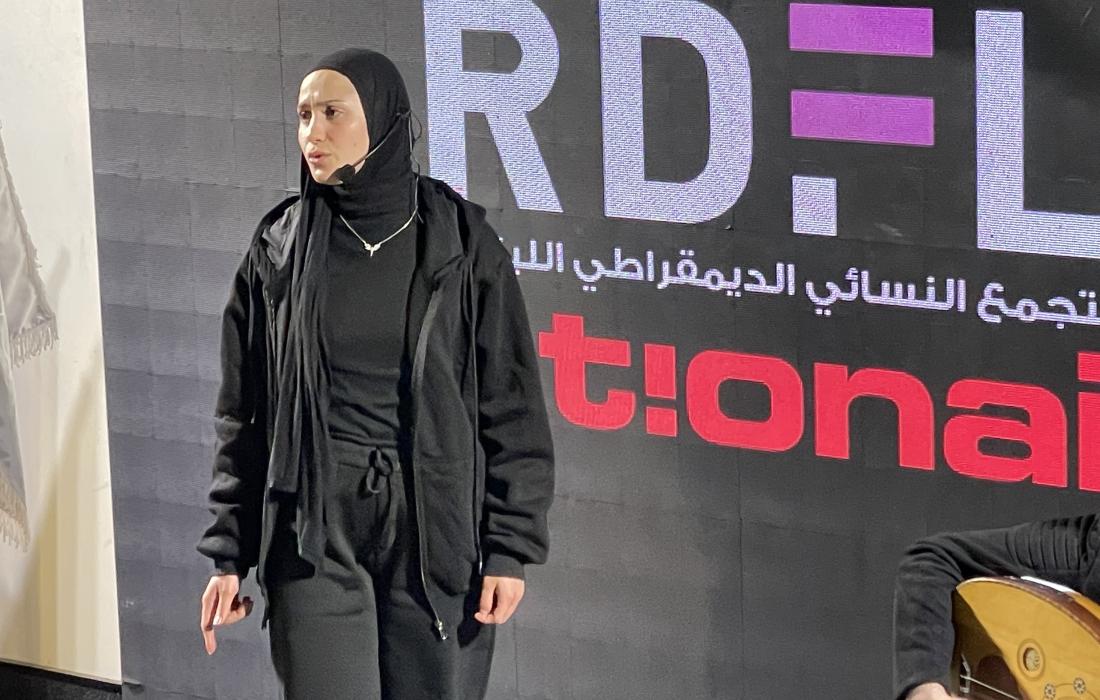
Together, they wrote a story inspired by their real experiences. Every scene carried truth, while protecting each individual’s identity. It became a collective voice that revealed their reality without exposing anyone. Through rehearsals, they supported one another, transforming fear into strength and silence into expression.
During the 16 Days of Activism against Gender Based Violence, they stepped onto the stage. In front of parents, teachers, and local leaders, they performed their story.
The audience watched quietly, but this silence was different. It was filled with attention and reflection. For many, it was the first time they truly understood the impact of digital violence on girls in their own city.
After the performance, people began to speak. Conversations opened. Questions were asked. The narrative slowly shifted from blaming girls to recognising shared responsibility.
Schools became more open to addressing the issue. Civil society groups increased their engagement. Even the mayor publicly expressed support and committed to follow up actions. There was also a request to present the play again, showing that the message had a lasting impact.
What was once hidden became visible. What was once ignored became acknowledged.
This transformation came from the courage of girls who chose to speak in a way that was safe and powerful. They changed how their community understood digital violence, turning it from a private burden into a public issue that required collective action.
In Baalbek, their voices broke the silence, and once heard, they could not be ignored.