From local ideas to collective action: youth reimagining waste and sustainability
In Viet Nam’s Central Highlands, agricultural livelihoods shape everyday life, while environmental changes are increasingly visible. Yet rising consumption and shifting production patterns have brought a new challenge: plastic waste accumulating across landscapes, affecting both community wellbeing and the environment.
For Doan Thi Cam Nhung from Lam Dong Province in the Central Highlands, these changes were not abstract. Growing up closely connected to land and natural resources, she observed waste becoming part of her surroundings and felt a responsibility to act. Like many young people, Ms. Nhung and her peers were concerned about pollution but lacked spaces to explore solutions or turn ideas into sustained action.
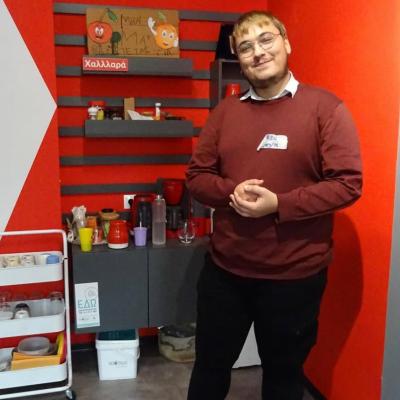
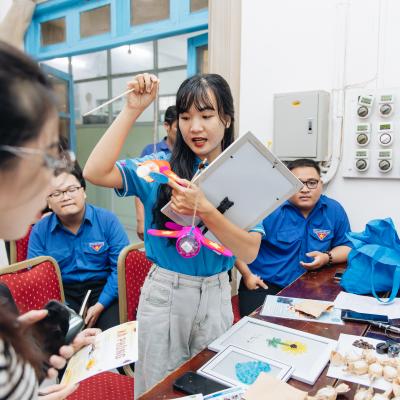
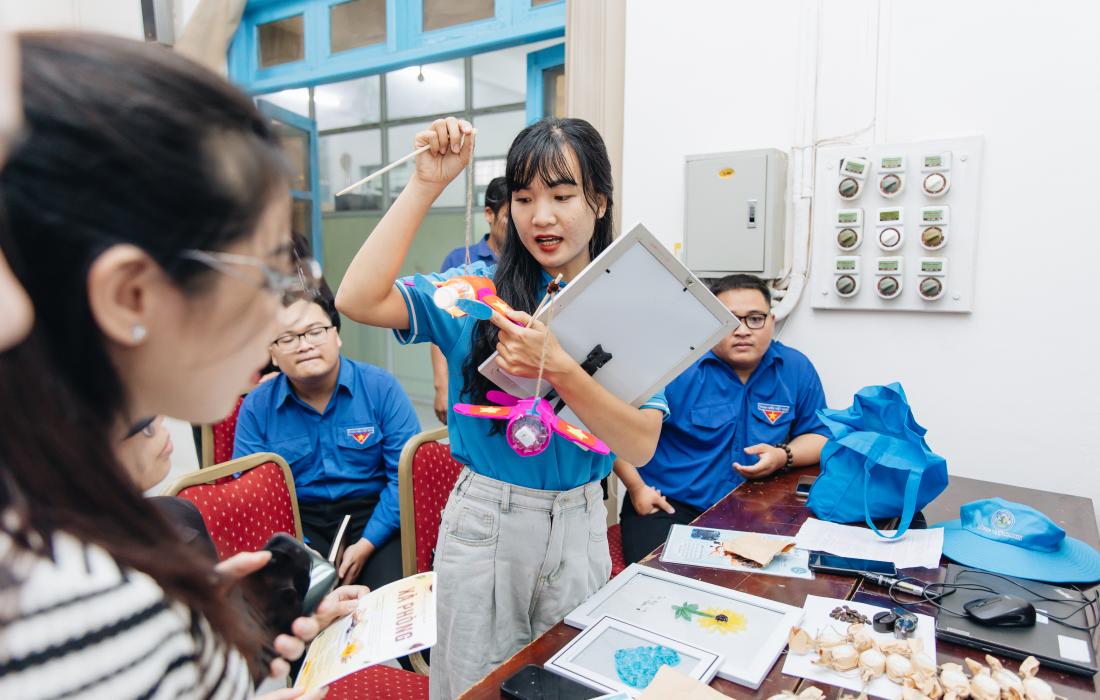
Together, they began to organise. Drawing on creativity and local knowledge, they reimagined waste not as something to discard, but as a resource to be transformed. This led to the creation of a community space where young people and residents gather to learn, experiment, and practice creative recycling. Discarded materials are turned into handcrafted products, while workshops encourage reflection on consumption habits and more sustainable ways of living.
Ms. Nhung explains: “I gradually noticed how plastic waste from daily consumption and agricultural activities was becoming part of our surroundings. At the same time, I realised that many materials we throw away still have value if we look at them with creativity and responsibility. This inspired me and my friends to start the Green Creativity initiative, supported by the TIF funding, where we transform discarded materials into handmade products while sharing a message about caring for our environment.
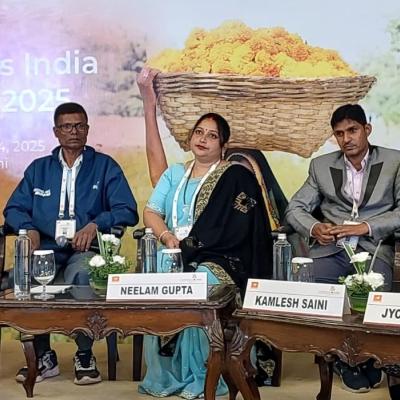
The initiative has grown beyond our home province Lam Dong and linked with wider youth movements across ASEAN. Presenting at the ASEAN Youth Innovation Exhibition was an extremely proud moment for me and my team, demonstrating that our local work is part of a larger regional movement.
Seeing so many inspiring youth initiatives across ASEAN made me feel that we are part of a bigger movement of young people who care deeply about protecting our planet and creating sustainable solutions. I would like to sincerely thank the P2ACE project, ActionAid, and all the partners who created this opportunity for young people like us. Their encouragement and support helped us believe that our ideas matter and that youth-led initiatives can grow into real solutions that benefit communities.
Through Green Creativity, young people are not only learning about environmental protection; we are shaping solutions, influencing community practices, and contributing to regional conversations on sustainability. Each recycled product carries a message of hope: that small actions, multiplied across communities, can protect the environment.
I hope more young people will join us in learning creative recycling skills and working together to build a cleaner, greener, and more sustainable community.”