Sulayman Sawaneh; restoring trust
For many years, communities across the Central River Region, including Janjanbureh, felt left out of decisions that directly affected their daily lives. Concerns over water shortages, poor sanitation, and other development challenges often remained unresolved, leaving many residents frustrated and uncertain about whether their voices were truly being heard. Women and young people in particular felt silenced.
Today, that is beginning to change.
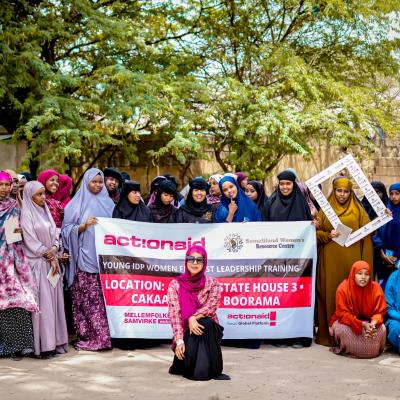
Through quarterly interface meetings supported by ActionAid The Gambia through the Technical Advisory Committee of the Central River Region, communities are now engaging directly with duty-bearers, raising pressing concerns, and demanding accountability.
These meetings are helping to strengthen the relationship between local authorities and the communities they serve.
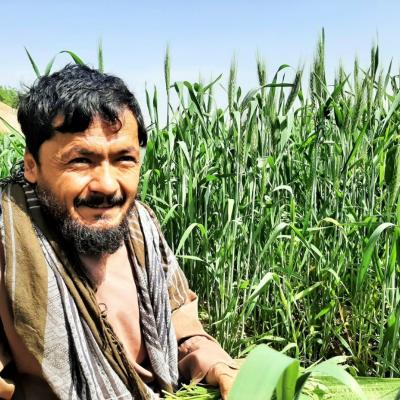
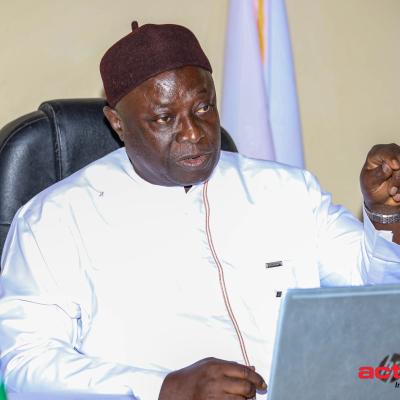
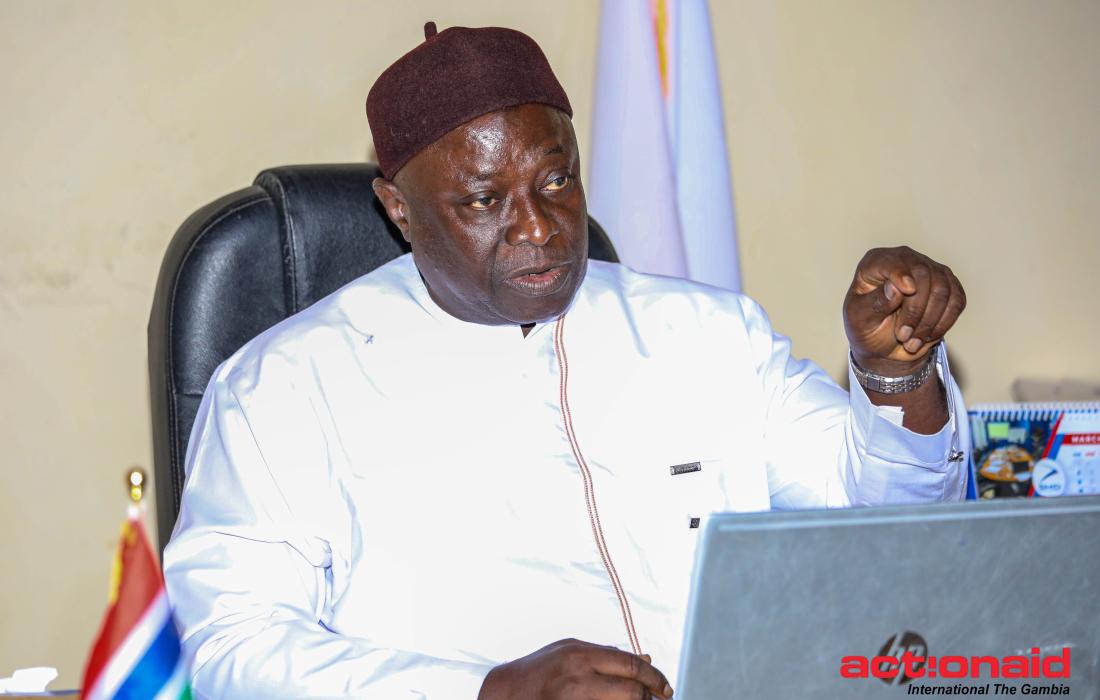
According to Sulayman Sawaneh, Chairperson of the Janjanbureh Area Council, the impact has been significant.
“The interface meetings have really strengthened the relationship between the council and the communities. Through these engagements, people can raise their concerns directly, and we respond promptly to urgent issues affecting them”.
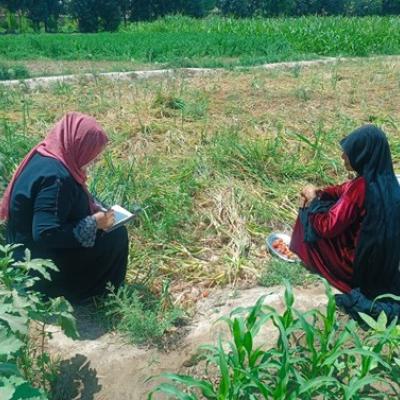
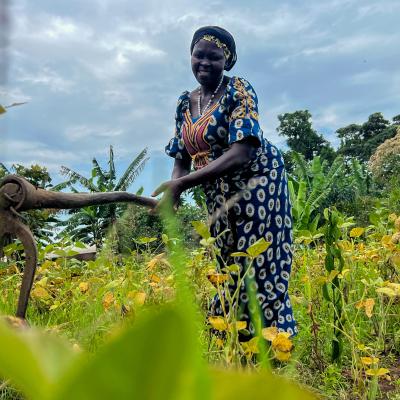
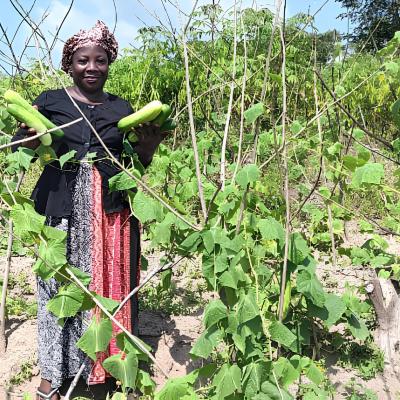
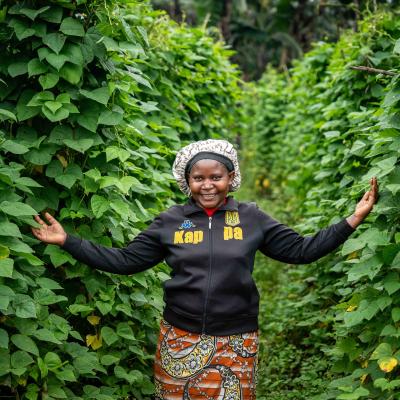
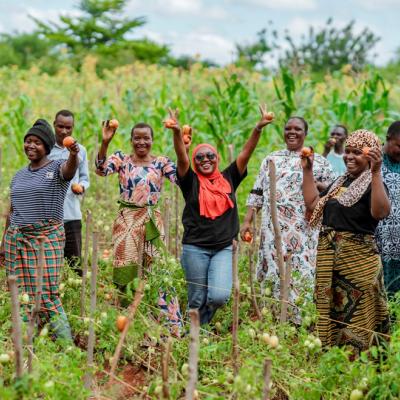
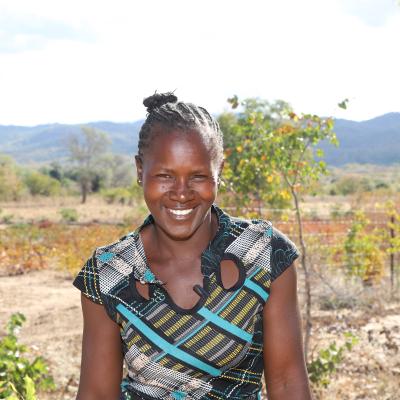
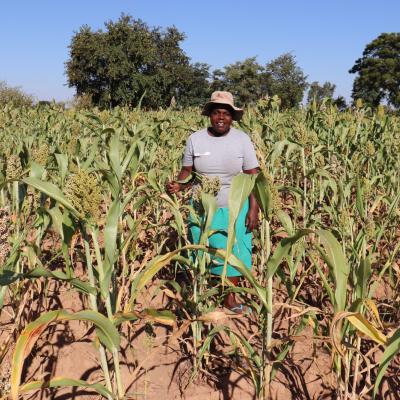
One of the key concerns raised during the meetings came from women gardeners in Janjanbureh, who had long struggled with limited access to water. The shortage affected vegetable production and threatened the livelihoods of many women who depend on gardening to support their families.
After the issue was raised during one of the sessions, the council quickly assessed the situation and responded with support. Solar panels and other materials were provided to improve the water system, helping restore reliable access to water for the gardens. Adam Trinn, one of the women gardeners, commented:
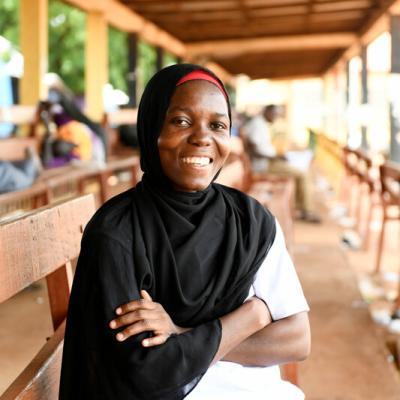
“The support from the Janjanbureh Area Council has significantly eased our water challenges and boosted production at our garden. With the installation of six water pipe points across another section of the garden, women gardeners can now access water more efficiently, helping us increase productivity and strengthen our livelihoods.”
The meetings also created an opportunity to address long-standing sanitation challenges at the Janjanbureh market, where poor facilities had affected both vendors and customers for years. In partnership with a local organisation, the sanitation facilities were rehabilitated, creating a cleaner and healthier environment for the community.
However, the intervention meant far more than improved irrigation. It brought renewed hope and reassurance that their concerns could lead to real change. Beyond the visible improvements, the engagements are gradually transforming how communities view local governance. Sawaneh sums up;
“These interactions have changed people’s perception of the council because they now better understand the development work being carried out. It has created trust, transparency, and stronger cooperation between the council and the communities we serve,”
What was once a distant and often strained relationship is steadily evolving into a stronger partnership built on dialogue, transparency, and shared responsibility for community development.