Sister Hirut: a lifeline for survivors in Tigray
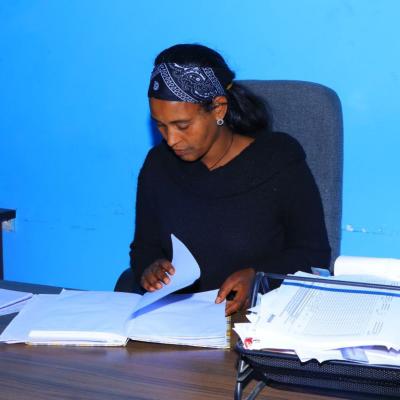
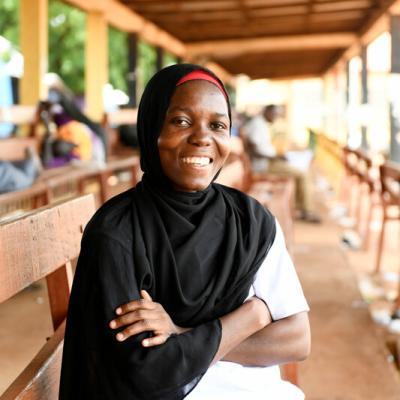
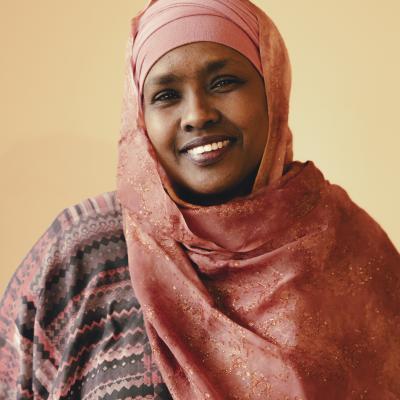
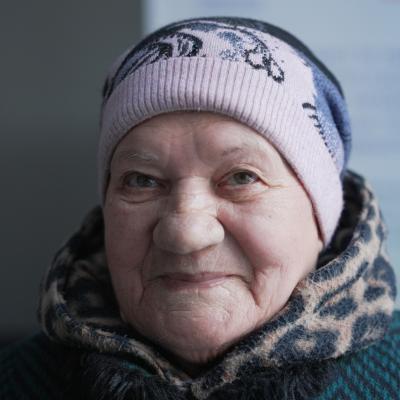
Supporting women has always been central to Sister Hirut’s work. Having worked as a midwife for over a decade, she has guided women through some of their most vulnerable experiences. When cases of gender-based violence (GBV) in Ethiopia surged at the height of the civil war in Tigray in 2021, she and three colleagues stepped forward to launch the Mekelle One Stop Centre, offering essential support to survivors of violence.
The beginning was far from easy. Hirut recalls, ‘When we started, we faced countless challenges. We had only three small rooms to provide treatment and services.'
‘The environment around the center was overgrown and unsafe, and there was no reliable water supply. Sometimes there wasn’t enough water to provide to survivors to help them swallow tablets. We struggled to access transportation, for ourselves and for our patients. Even food was a challenge, and we often took turns bringing meals from our homes to share with the women and girls under our care.'
‘The workload was overwhelming. At the height of the crisis, the team was managing up to 78 cases per day. The emotional toll was immense, and secondary trauma weighed heavily on the staff. As the conflict continued, survivors, many of whom had hidden their suffering due to stigma and fear of exclusion, only came forward when their health complications became severe.'
A turning point came during the regional March 8th Women’s Day celebration in Mekelle. ActionAid Ethiopia visited the centre and were deeply moved by the situation and the efforts of Hirut and her colleagues. They offered to provide bottled water, food supplies, and emergency transportation vehicles. For Hirut, this transformed the daily running of the centre.
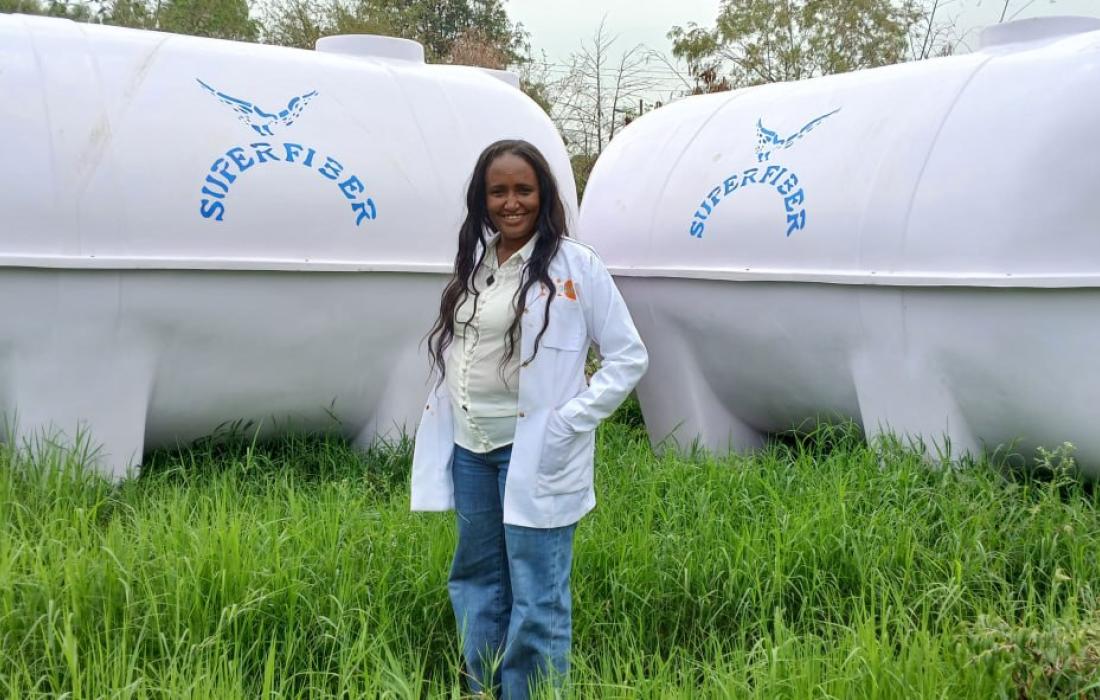
‘We had been appealing to many organisations to help address our critical shortages, especially access to potable water - the biggest challenge in Mekelle. ActionAid Ethiopia was the most responsive. This support not only served Mekelle; it reached women and girls from across the region, as survivors come to us from every corner. I have never felt more satisfied with a partnership.’
Today, thanks to the commitment of Sister Hirut and her colleagues, the Mekelle One Stop Centre remains a lifeline for survivors of GBV across the region and a testament to what compassion and solidarity can achieve.