Beyond the Numbers: Young Women's Voices on Economic Justice

As the IMF and World Bank Annual Meetings take place in Bangkok, young women are speaking out against economic policies that deepen inequality and demanding a greater say in decisions that shape their lives.
Current economic policy undermines women and their rights. Young women are facing unemployment, struggling to afford their bills and provide for their families. They understand this is bigger than their governments' and country’s economic decisions; the global system is broken and holding them back. This is the time to fight; enough is enough. Women’s voices and experiences must be central to decision-making.
The problem is not a lack of solutions. Women and girls have long been proposing alternatives that prioritise care, equality and wellbeing. The challenge is that global financial institutions and decision-makers are entrenching harm, while women act as shock absorbers.
The time is up for outdated economic policies, systems and rules, which disproportionately impact women and girls: The IMF has had its time and has failed. Women have called them out; they are mobilising and making clear that things must change. Governments must step up, review all economic policies, and prioritise women's rights.
Young women speak out
Behind economic policies are real people whose lives are shaped by decisions about public spending, employment and essential services.
Through ActionAid's Young Urban Women project, young women are building collective power, sharing their experiences and advocating for economic policies that put people, dignity and wellbeing first.
Their voices show why economic justice cannot be achieved without women at the decision-making table.
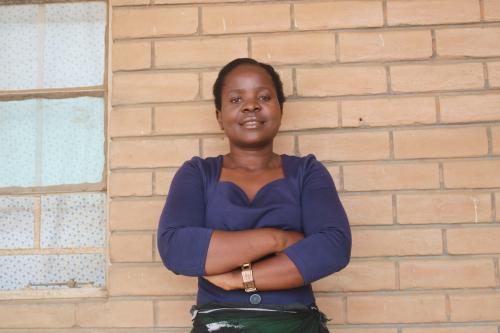
Chimwemwe: When education does not lead to employment
"The problems that I face include unemployment. For example, a lot of people were trained to be teachers, but because the government is no longer employing people, many young people are unemployed."
For many young people, gaining skills and qualifications does not guarantee access to decent work. Limited employment opportunities leave young women struggling to build independent lives and secure their futures.
Economic policies must create meaningful opportunities for young people, rather than leave them to navigate unemployment and financial insecurity on their own.
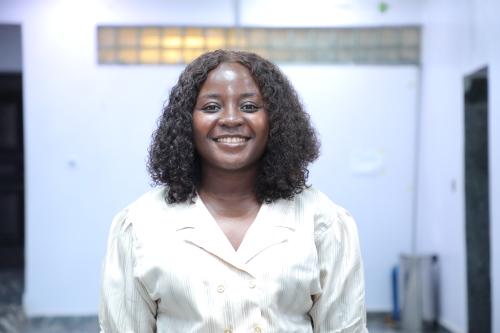
Deborah: The hidden burden of unpaid care
"When you talk about the impact of the cuts in public spending for healthcare, at the end of the day, the people that have to fill in the gap when it comes to unpaid care work will be women and young women too."
When essential public services are cut, the work does not disappear. Women and girls often fill the gaps, taking on additional unpaid care responsibilities that affect their time, livelihoods, and opportunities.
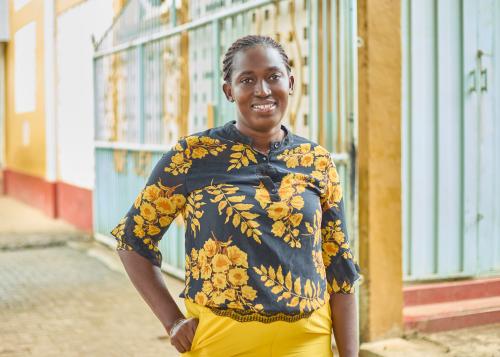
Fosuaa: Rethinking economic progress
"For me, economic development should not only be about numbers. The real measure of the economy should also be well-being, dignity and the secure opportunities it creates."
Economic progress must be measured by more than financial indicators. It should reflect whether people can access essential services, live with dignity and have opportunities to thrive.
It is time for change
These experiences reflect the consequences of economic decisions that too often overlook the people most affected.
As governments and global financial institutions meet in Bangkok, ActionAid is calling for economic policies that protect women's rights, strengthen essential public services and put care, equality and wellbeing at the centre of decision-making.
Young women are speaking out, organising and demanding change.
It is time for decision-makers to listen and act.